Daily Telegraph 14 July 1916 page 11
A Handel Festival
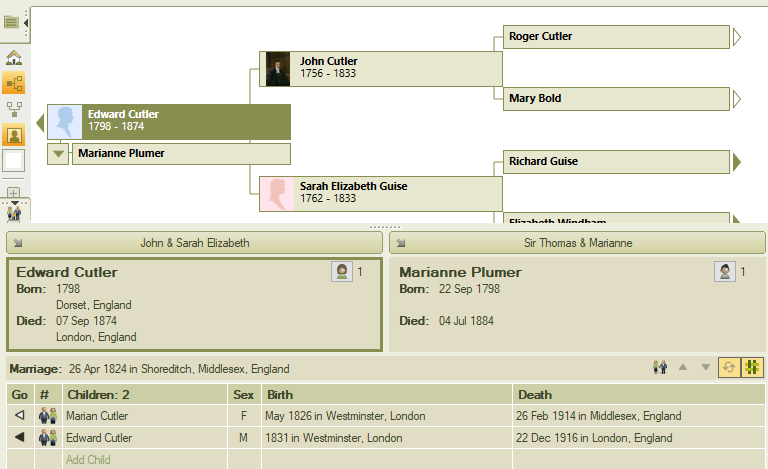
Two hundred years ago that opulent and lavish nobleman, the Duke of Chandos, restored and reopened what was then the private chapel on his Canons estate, and what is now known as St Lawrence’s Church, Whitchurch. It was to celebrate this bicentenary that a festival was held at the church yesterday afternoon, and it was only right and proper that the music should be drawn from the works of Handel, who was the Duke’s chapel master at about that time. The festival opened with a short service, for which Mr Edward Cutler, KC, had written a pleasant and unambitious anthem, “I am Glad,” and at which a brief address on the spiritual influence of Handel was given by the rector, the Rev CW Scott-Moncrieff. Then came a selection from Handel’s music, made, for the most part, from that which he wrote at the time that he was at Canons. First came the overture to “Esther” which an improbable tradition has it that he wrote at the quaint little organ, with black naturals and white sharps, which still retains its place at the east end of the church, though it has been enlarged and improved. It is very far from unreasonable to suppose, however, that he tried the music over upon this organ as he wrote it. Next came the Chandos anthem, “O Praise the Lord with one Consent,” which, of course, with its eleven companions, was specially written for performance in this church; next, the famous hymn, “Rejoice, the Lord is King”; then the beautiful alto solo, “Like as a father,” from another of the anthems, and, lastly, the fine organ concerto in F, which, of course, is of considerably later date.
For the performance of these, Dr Churchill Sibley, who is organist of the church, had gathered together a most excellent company of singers and instrumentalists. The choir was formed of boys from the London College of Choristers and of men from the choirs at Westminster Abbey, St Paul’s, St George’s Hanover Square, and St Margaret’s, Westminster, while the band included some of the best known orchestral players in London, and the organ concerto was played by MFW Belchamber. It was not surprising therefore, that Handel’s music should have been interpreted yesterday with all the breadth, the sympathy, and the reverence that it so essentially demands. It was, indeed, a celebration of a real landmark in English musical history, that was admirable in conception and worthily carried out, and all those who were responsible for its planning and its fulfillment are warmly to be congratulated on the very large measure of success that attended their work.



 The Amazing Paulin(e) Family